Hi, I’m Mohammad H. Malkawi

Networks & security student, building smarter infrastructure.

Third year at Jadara University in Irbid. I design systems that bring AI into the physical world, from traffic signals that follow real demand to a test rig for carbon-capture materials and a tool that lets Claude work in After Effects. My team's Mars Among Us won first place at NASA Space Apps 2026 in Ar-Ramtha. Vice Chair of IEEE Jadara Student Branch.

malkawi@portfolio: ~

whoami

Mohammad H. Malkawi

Networks & security student at Jadara University, Irbid

status

Open to internships, remote or in Jordan

cat focus.txt

Networking · Security · Systems that work in the real world

cat awards.txt

1st place · NASA Space Apps 2026

Type help to see what else I can tell you.

01 About

Systems That Work in the Real World

I study how data moves across networks and how to keep it safe. Most of what I build sits where networking meets physical infrastructure: roads, factories and the sensors that watch them. I like projects with a clear problem, real constraints and a result you can measure.

Studying
B.Sc. Computer Networks & Cybersecurity, Jadara University
Graduating
January 2028, expected
Based in
Irbid, Jordan. Open to remote work.
Languages
Arabic, native. English, professional.

02 Projects

Selected Work

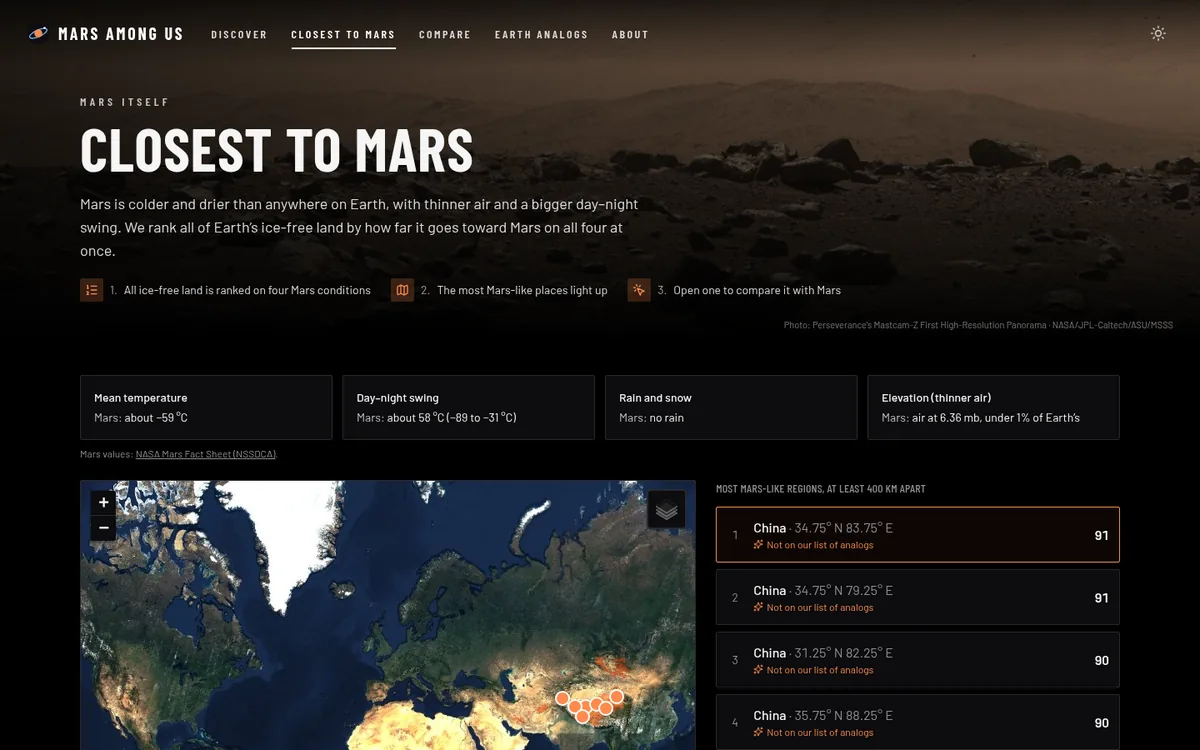
The Closest to Mars page: a world map of Earth's most Mars-like land, with western Tibet ranked first
Closest to Mars: all of Earth's ice-free land ranked against Mars itself
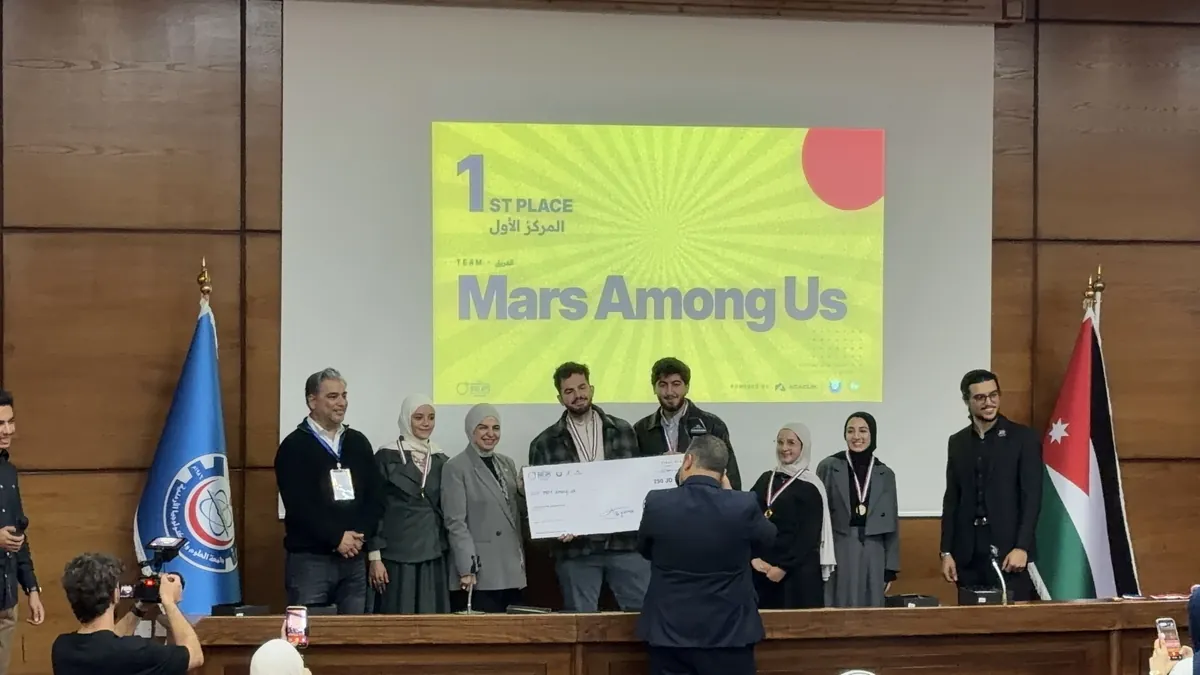
The Mars Among Us team on stage under the 1st Place screen at NASA Space Apps 2026 in Ar-Ramtha
First place at NASA Space Apps 2026, Ar-Ramtha

Mars Among Us

1st place · NASA Space Apps 2026

Finding Earth's twins of the Moon and Mars

Astronauts train on Earth in places that look like the Moon and Mars, but most of those sites are poorly mapped. Mars Among Us ranks all of Earth's land against NASA's nine Artemis landing regions and against Mars itself, using NASA data, and links every number to its source.

Role
Creator · data & web
Team
6 members
Event
NASA Space Apps 2026
  • NASA POWER
  • LRO
  • MOLA
  • React
  • TypeScript
  • Leaflet
  • Python
How It Works
  • Compare. Pick one of the nine Artemis landing regions and a mission. Earth sites are scored factor by factor against what NASA's LRO measured there.
  • Discover. 86,498 patches of land compared with a known analog on climate, terrain and rock type, to find twins no one has studied yet.
  • Closest to Mars. 61,443 ice-free patches ranked on cold, dryness, thin air and day-night swing, with Mars values from NASA's Mars Fact Sheet.
  • Blind check. Never given a list of analogs, it puts NASA's Licancabur in the top 0.24% of Earth's land and ISRO's Tso Kar in the top 0.41%.

Result: first place at the NASA Space Apps Challenge 2026 local event in Ar-Ramtha, out of more than 40 teams.
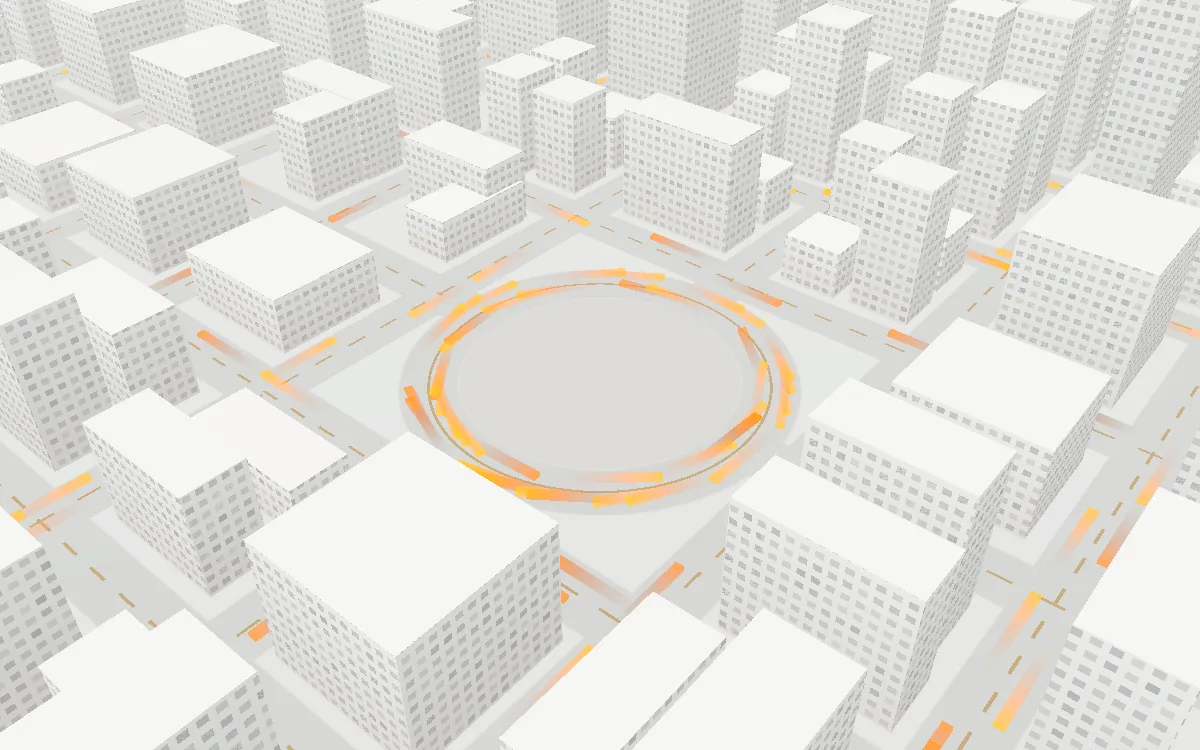
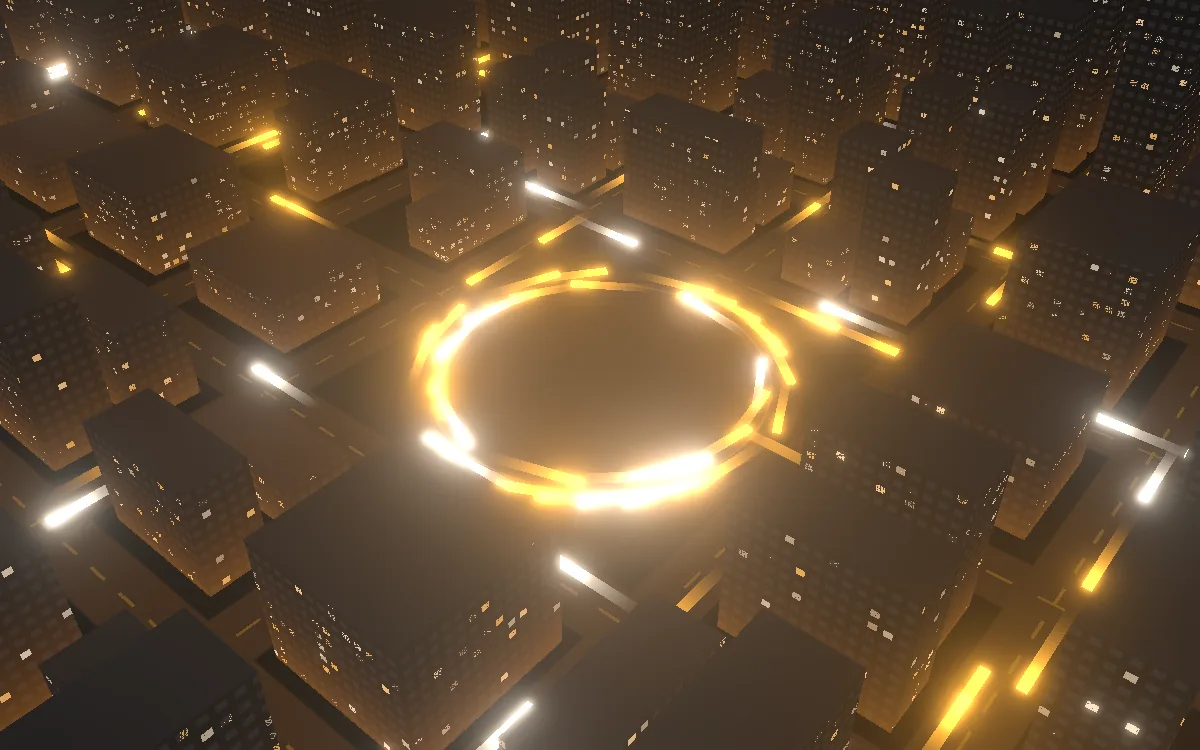
Stylized 3D city around a roundabout with traffic flowing Stylized 3D city at night around a roundabout with traffic light trails

SALKA

Up to 15% less waiting

Adaptive traffic control for Irbid

Most traffic lights in Jordan run on fixed timers. SALKA rebuilds Culture Circle in Irbid as a digital twin in SUMO and retimes green phases to the real queues, with priority for emergency vehicles.

Role
System design & research
Team
SYNTRA
Type
Self-initiated
  • Python
  • SUMO
  • TraCI
  • OpenStreetMap
How It Works
  1. Model. Culture Circle’s road network pulled from OpenStreetMap into SUMO.
  2. Simulate. Peak-hour scenarios with cars, buses and congestion events.
  3. Sense. Queues, waiting times and occupancy read live through TraCI in Python.
  4. Adapt. Longer greens for congested approaches, and emergency vehicles go first.

Result: up to 15% lower average waiting time, measured in simulation.

Read the SALKA case study
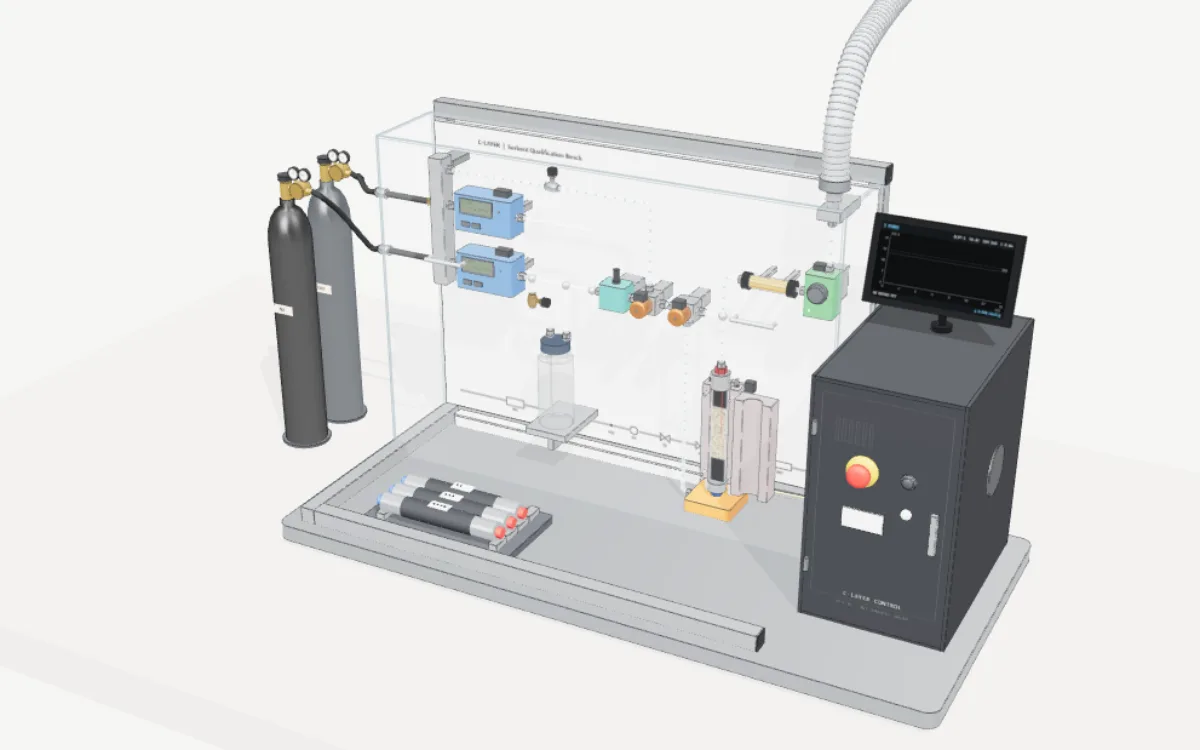
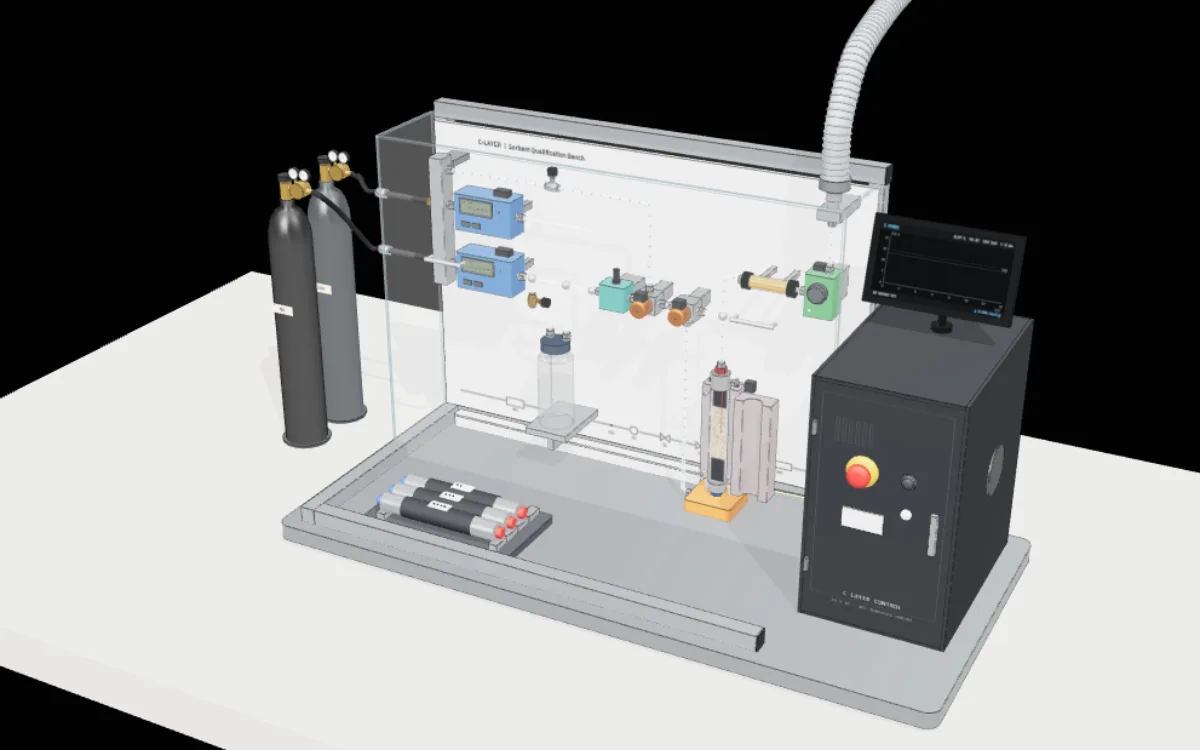
3D model of the C-Layer test bench with its gas line, cartridge and control bay 3D model of the C-Layer test bench on a dark background

C-Layer

Lab rig design

Testing CO2-capture materials for cement plants

Capture materials wear out in kiln smoke, and plants need to know which one lasts before they invest. C-Layer is a bench-top rig that measures each cartridge's capacity under cement-like gas and seals every result in a signed, tamper-evident log.

Role
Sole designer
Status
Proposal and 3D model
Type
Self-initiated
  • Raspberry Pi
  • NDIR CO2 sensor
  • PID control
  • SHA-256 hash chain
  • ECDSA P-256
How It Works
  • Cement-like gas. 15% CO2 in nitrogen with about 2% humidity, set by two mass flow controllers.
  • Breakthrough curve. Gas flows through a 2.5 g cartridge until CO2 leaks out. The curve gives the material's capacity, its health.
  • Six-stage cycle. Purge, cool, read the inlet, absorb at 40°C, regenerate at 90-100°C, then compute and seal. One run takes 8-12 minutes.
  • Sealed log. Each record is hash-chained, signed by a key inside a secure chip and timestamped, so any later edit shows.
  • Blind test. Four covered cartridges, ranked by the rig before the covers come off.
Read the C-Layer case study
Preview of a motion-graphics promo that Claude built inside Adobe After Effects with AE MCP Pro
A promo built from one prompt with the tool
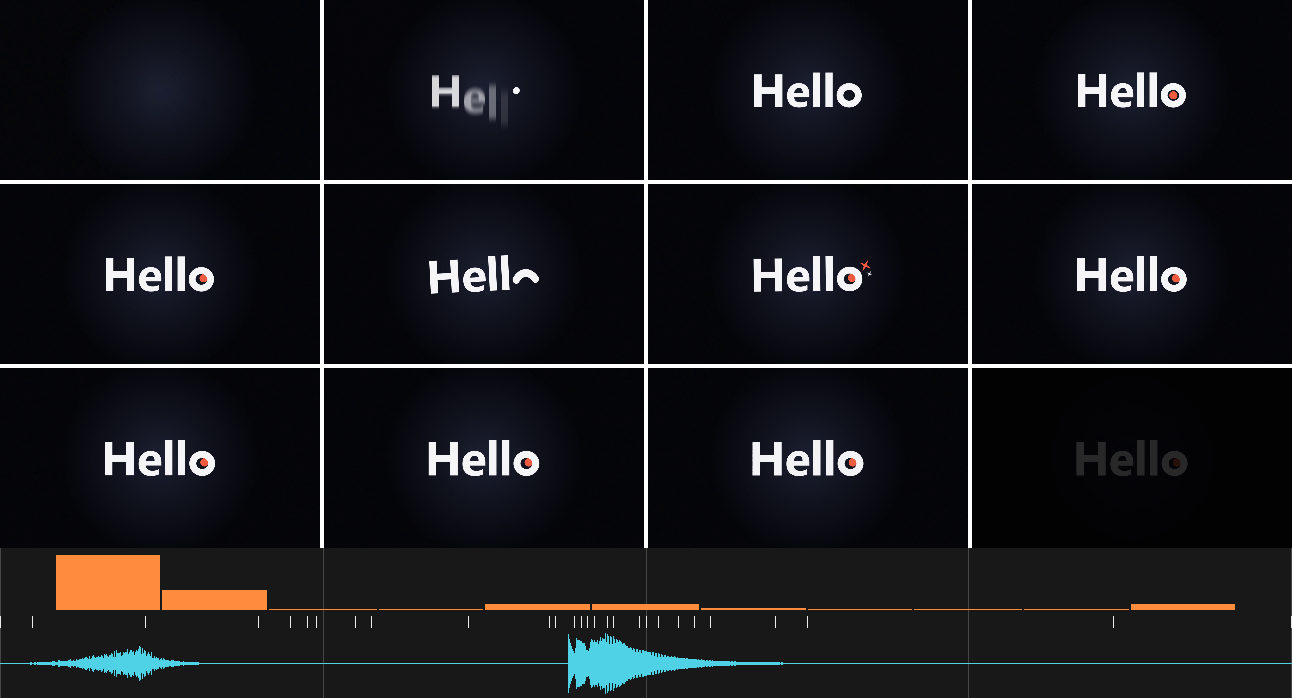
The tool's visual review: a grid of frames from a Hello animation above a timeline of motion, keyframes and audio
How Claude sees its own work: frames plus a motion, keyframe and audio timeline

After Effects MCP Pro

Open source · MIT

Claude as a motion designer inside After Effects

Most After Effects connectors give an AI a few fixed commands and no way to see what it made. This MCP server lets Claude build any scriptable scene, watch its own frames, check timing against the music, fix what fails and render in the background.

Role
Idea, design & testing
Status
v1.6, 53 automated checks
Type
Open source
  • MCP
  • Node.js
  • ExtendScript
  • CEP panel
  • aerender
How It Works
  • Bridge. A CEP panel inside After Effects listens only on 127.0.0.1 and needs a secret token for every call.
  • 14 tools. Inspect, run ExtendScript with a motion library, preview frames, review, render, voice-over, music and fonts.
  • Self-review. Frame grids and a motion, keyframe and audio timeline, with automatic checks and a beat-sync score.
  • Safe by default. Checkpoints with revert, a read-only switch, raw code off until enabled, and every call logged.
  • Lean. Token cost measured and cut, for example 64% less for inspecting a comp.

Built in collaboration with Claude as an AI pair programmer. I set the idea and requirements and tested it on a real After Effects setup.

View on GitHub

Try the SALKA idea

Same traffic, two controllers. The timer switches every 20 seconds. SALKA follows the queues and clears the way for ambulances.

Show on the map
Fixed timer0.0 saverage wait
SALKA0.0 saverage wait

In this model: Measuring… across 0 cars.

An illustrative model running in your browser. SALKA’s real result, up to 15% less waiting, comes from the SUMO simulation of Culture Circle.

03 Leadership

IEEE at Jadara University

  1. 2025-2026

    Chair, IEEE RAS Jadara chapter

    Led the Robotics & Automation Society student chapter and a 7-person team through about 30 workshops and events.

  2. 6 Jan 2026

    RoboCraft

    A national robotics competition on smart solutions, organized by our chapter with partners including Jadara Education and IEEE Jordan Section.

    • 110teams registered
    • ~300participants
    • 16universities
  3. 2026

    IEEE RAS Chapter Initiative Grant

    Awarded to our chapter for RoboCraft.

  4. Now

    Vice Chair, IEEE Jadara Student Branch

    The university’s IEEE student branch.

04 Toolkit

Tools I Work With

Networking & Security

  • Cisco networking
  • Wireshark
  • Kali Linux
  • Linux
  • Bash

Programming

  • Python
  • C++
  • JavaScript
  • TypeScript

Systems & AI

  • SUMO
  • TraCI
  • LSTM models
  • NVIDIA Jetson
  • Raspberry Pi
  • Arduino
  • MCP

Tooling

  • Git
  • GitHub
  • Docker
  • Node.js
  • Vite
  • OpenStreetMap data